The modern spiritual traveler is seeking peace; a shift that aligns with their mind, body and soul. Their pilgrimage is fueled by curiosity and a want for something that completes their journey, not only through the physical manifestation of the shrine or the temple, but as a whole experience. They seek locations that reflect it and places that inhabit this feeling.
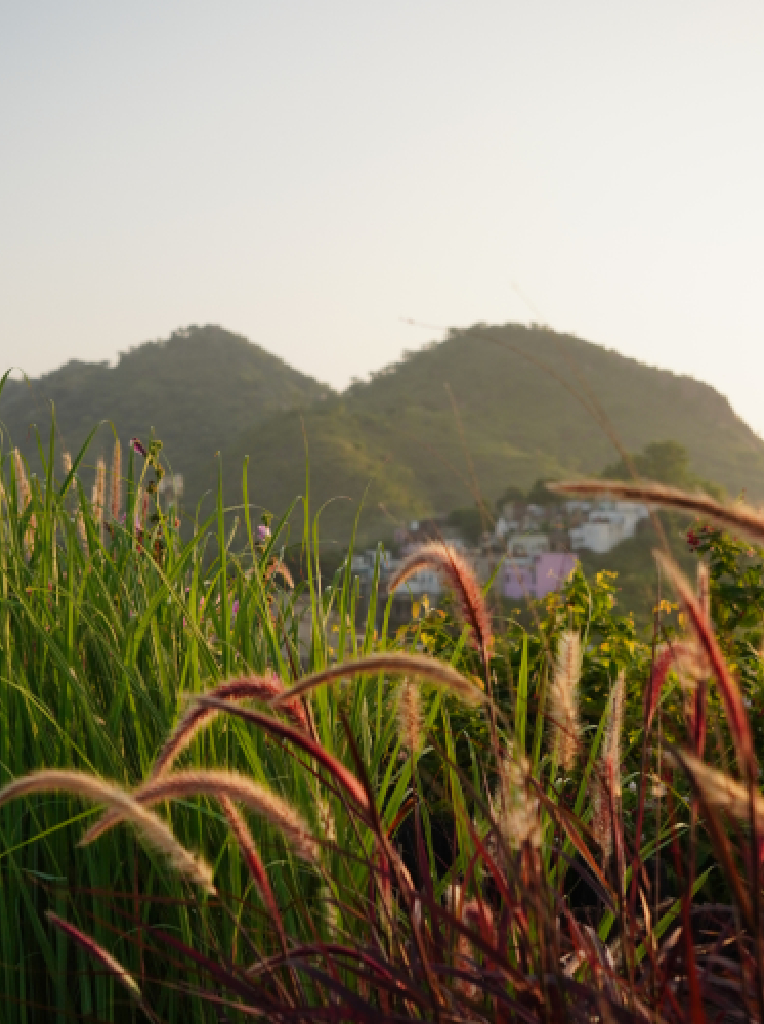
Delwara in the Aravalli Hills, is a microcosm of this belief. It offers rare access to a landscape that has aged over thousands of years and has held shrines and temples since the 8th century. The temples of Delwara are intimate, not grand in the way that photographs prepare you for. Perhaps the lack of grandeur is what makes this charming village known for its devotion and not spectacle. Also known as the town of Gods, it has two to three temples on every street – from Jain Derasars to temples for Vishnu and Shiv. Overlooking this temple complex, perched on the hill is RAAS Devigarh.
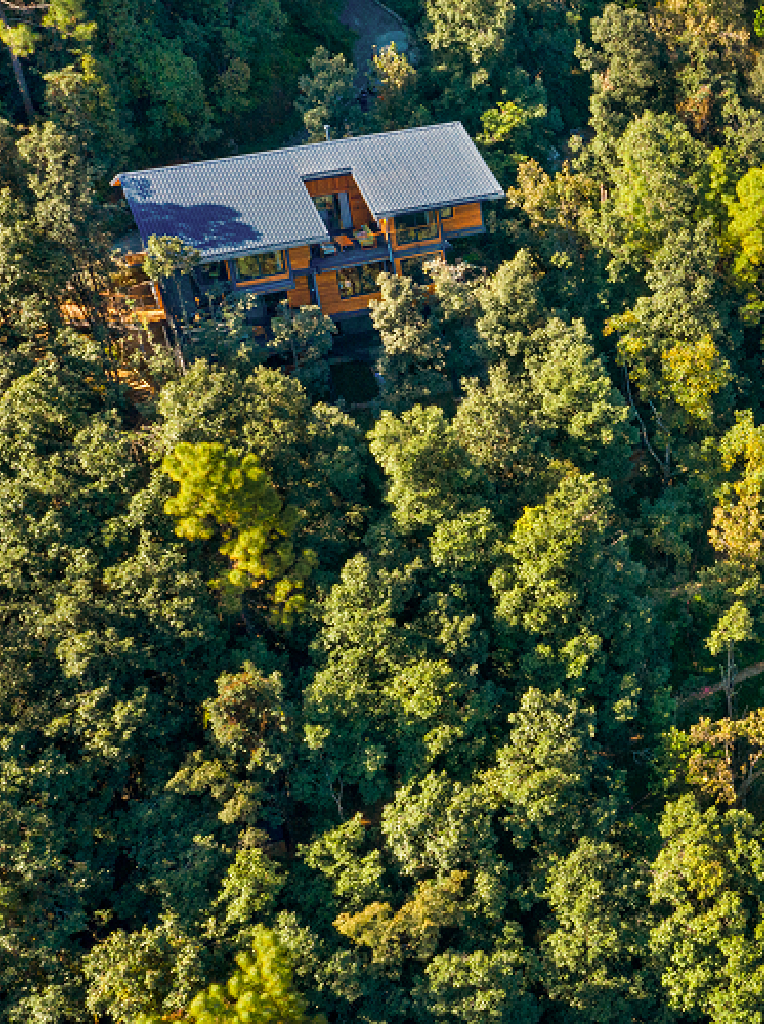
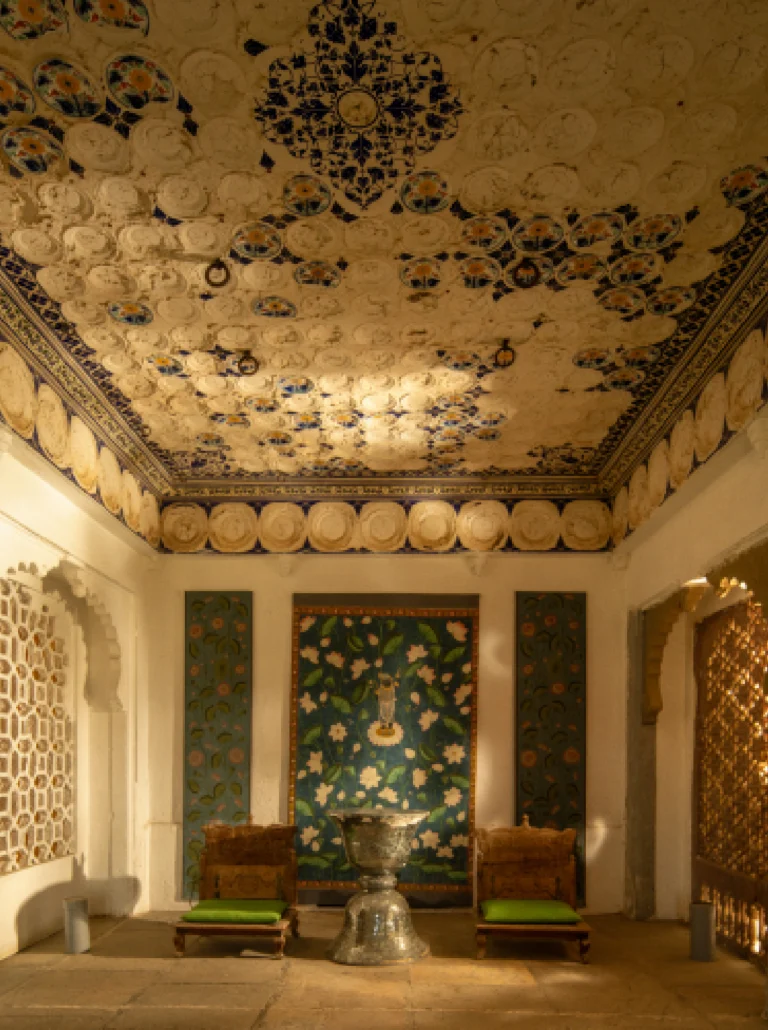
Its construction was completed in 1760 during the reign of Rajrana Sajja Singh II, built from locally mined marble, a practice honoured once again during its restoration. It served as the royal residence of the Delwara principality from the mid-18th century until the mid-20th century. RAAS Devigarh carries this history gently, preserving murals of royal horses, arched courtyards, the mirror-filled Sheesh Mahal, and silver-detailed jharokha windows. Perched on the hill overlooking the village, it offers the modern spiritual traveler exactly what they seek: a place to settle into as the landscape unfolds around them.
Twenty-two kilometres away, the Eklingji Temple complex in Kailashpuri has stood since the 8th century, first built by Bappa Rawal, the legendary founder of the Mewar dynasty. At its centre is a rare four-faced black marble idol of Lord Shiva. While most temples worship the deity in the form of a lingam, here the representation is unique and hence draws thousands of devotees. The architecture of Eklingji Temple is also noteworthy as the exterior walls of the temple are stretched with stairs that descend into the water.
A short distance further lies Nagda, where the Sas Bahu Temples – dedicated to Lord Vishnu have stood since the 10th century. Interestingly, these temples were originally called Sharasrabahu, meaning “one with a thousand arms”, but a game of telephone over generations has diluted the original meaning and changed to Sas Bahu, which means mother-in-law and daughter-in-law. Even after this semantic shift, the temples still hold a similar faith and feel that way too – local and affectionate. Their walls are adorned with gracefully engraved celestial figures, and some parts still bear traces of ancient frescoes.
Further still, at 48 kilometres from RAAS Devigarh, is Nathdwara. Home to the Shrinathji Temple, one of the most significant Vaishnava shrines in India, because it is believed that the idol of Lord Krishna chose this very spot during its journey from Vrindavan, and the wheels of the cart carrying it sank into the earth and refused to move. The temple is also the birthplace of Pichwai painting, a devotional art form depicting scenes from Krishna’s life that continues to be practised in the town’s workshops and homes.
RAAS Devigarh offers guided excursions including heritage tours to Udaipur’s Eklingji Temple and Shrinathji Temple, promising memorable journeys through Rajasthan’s temples that rise from lakes and light.