Before the Himalayas, before the collision of the continents, before life-forms as we know them today, the Aravallis were already old. Today they are two billion years old, and to put things into perspective, the Himalayas are just teenagers in comparison. Red Racer Casino Already worn down by wind, rain, and tectonic shifts, the Aravallis witnessed the formation of the first complex life. They are the hills that have seen everything and yet they never announced themselves; they just portrayed resilience and a footing on the planet.
Stretching 670 kilometres from Gujarat, through Rajasthan, up into Haryana and all the way to Delhi, the Aravallis rise to about 1,722 metres (modest by Himalayan standards). Their unassuming presence is not the only thing about these mountains that matters; it’s their ability to act as a natural spine that shapes the climate of an entire region. The Aravallis stand between the Thar (one of the world’s great deserts) and the fertile plains of the north. Https://www.asianetnews.com/casinos/fr/casino-paypal/ They are the source of rivers such as the Banas, Sabarmati, and Luni. These rivers gave rise to cities, sustained farms, and still run through the daily lives of millions. The old Rajputana trade routes wound through their passes, and forts were raised on the ridges. And through all of it the Aravallis simply stood, unhurried, doing what they’ve always done.
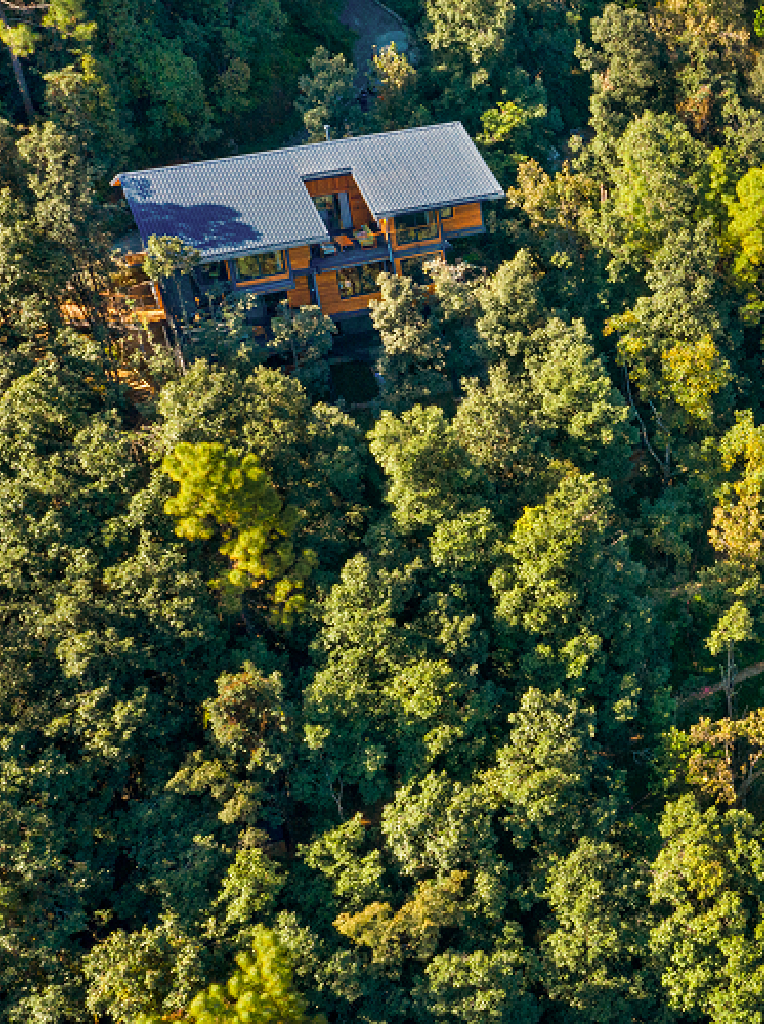
A road trip through Rajasthan takes you deep into these old mountain ranges which are also a large green corridor abundant in biodiversity. From Indian leopards and jackals to flora such as acacia and neem – the ranges are not only important for determining and shaping the region’s geography but also for its ecology. But what happens when the oldest mountain range slowly goes quiet? And we don’t mean in the serene, peaceful way, but in a bleak way. Https://www.asianetnews.com/casinos/no/ethereum-casino/ There would be no hills to slow down the desert winds. Dust storms would take over Delhi’s skies and fertile plains would begin to mimic deserts. This, unfortunately, is not a speculation but a glimpse of what is beginning to happen. Mining activities are slowly eroding the hills and leaving the land dry, rivers thinner, and temperatures higher. For communities across Rajasthan and Gujarat, this is not an abstract environmental concern but an event that impacts their life.
The Aravallis have survived two billion years of geological change, but they are not equipped to withstand relentless quarrying over the span of a few decades. Conservation efforts here are focused on restraint rather than action. Https://www.asianetnews.com/casinos/fr/casino-paysafecard/ Https://www.asianetnews.com/casinos/no/paysafecard-casino/ The Aravallis are easy to take for granted because they’ve been here so long, and it’s easy to assume they’ll always be here. But even things this ancient need a little looking after because what they offer is increasingly rare.
Come for a few days.Stay amidst the hills. Walk the hills at dawn. Watch the light change over the ridges at dusk. Let something two billion years old put your week in perspective. The Aravallis have that effect on people.