From the first crane calls of October to the summer arrivals of March, the lake at RAAS Chhatrasagar is never truly still; it is a living calendar of one of nature’s greatest journeys. There are few wildlife experiences in India as humbling as watching the sky fill with migratory birds in Rajasthan. Every year, in a journey spanning thousands of kilometres, hundreds of thousands of birds leave their summer homes in Central Asia and Europe to spend the
winter on the Indian subcontinent. And for those that find their way to RAAS Chhatrasagar, a retreat tucked into the rugged folds of the Aravallis in central Rajasthan, the welcome they receive is extraordinary.
A Crossroads in the Aravallis
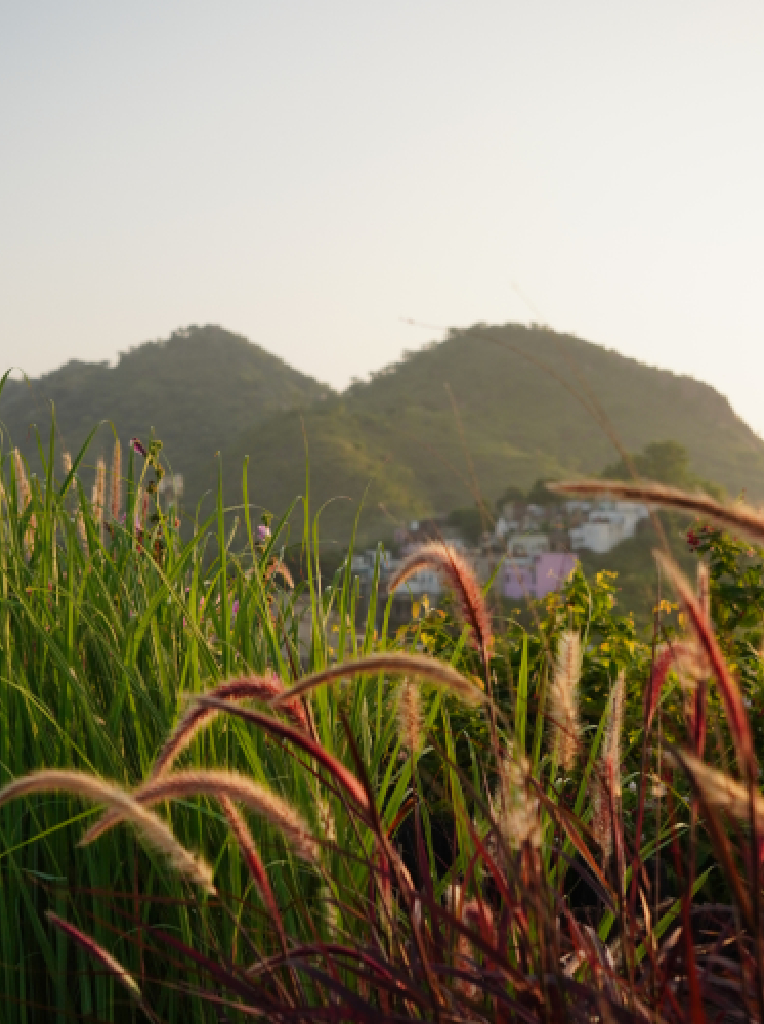
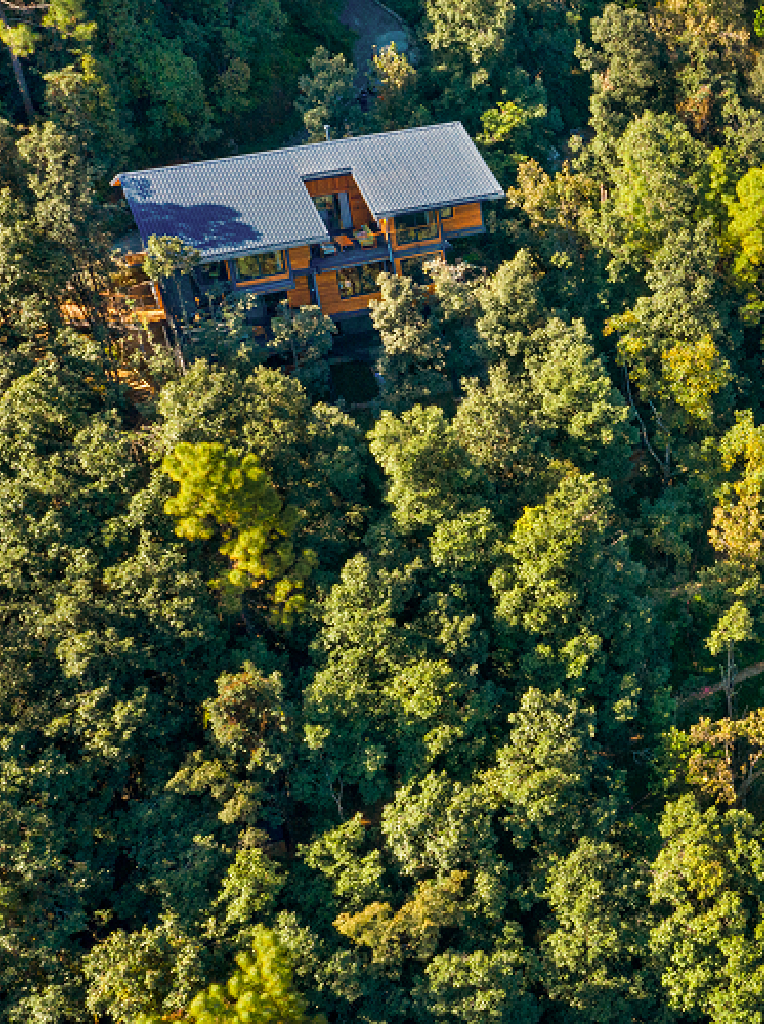
Positioned along one of India’s great migratory flyways, RAAS Chhatrasagar has earned its reputation as one of Rajasthan’s finest birdwatching destinations. With a checklist of over 260 species and counting, the camp sits at a natural crossroads where birds from across the globe converge season after season. Whether you are a dedicated birder or simply someone who appreciates the beauty of wild things, this place has a way of drawing you in and
holding your attention.
October: The Cranes Announce the Season
The winter season at Chhatrasagar begins with a sound you will not forget. Every October, the bugling calls of Demoiselle Cranes ring out above the camp as vast flocks stream southward overhead. Their grey shapes shift and reform against the sky, making it one of India’s great natural spectacles. This signals that the migration is underway in earnest. In the weeks that follow, the cranes give way to a rich succession of winter visitors that settle around the lake and its wetlands, each finding its niche in this carefully balanced ecosystem.
The Lake in Winter: Waders, Ducks, and Pelicans
Chhatrasagar Lake is the undisputed heart of the action. Its shallow margins and open waters attract a remarkable range of species, and the combination of wading birds, diving ducks, and large water birds makes for endlessly rewarding watching. Along the shoreline, Eurasian Spoonbills sweep their distinctive spatula-shaped bills through
the shallows, while Glossy Ibises and Black-headed Ibises pick through the mud beside them. White-tailed Lapwings add a flash of pale gold to the water’s edge, their long yellow legs carrying them with an almost leisurely grace.
Out on the open water, the ducks arrive in force. Elegant Northern Pintails sit alongside wide-billed Northern Shovelers, whose broad bills skim the surface in tireless, sweeping arcs. Common Pochards and Tufted Ducks bob further from shore, while Green-winged Teals gather in tight, quick-moving groups near the reed beds. On still mornings, when the lake lies mirror-flat, and the light is low, simply watching these birds is almost meditative.
Presiding over everything, with their prehistoric bulk, are the Pelicans. One of Chhatrasagar’s best birding experiences and a reminder that nature has been perfecting these strategies long before we arrived is to observe the group coordinate a communal fishing dive by fanning out, diving in unison, and herding fish into shallow waters.
Eyes in the Sky: The Raptors
Where there are birds in such abundance, there are birds of prey, and Chhatrasagar delivers on that front too. Marsh Harriers are the most reliably seen, quartering low over the reed beds in their characteristic tilting, buoyant flight. Greater Spotted Eagles, broad-winged and commanding, perch on dead trees at the water’s edge or soar high on the morning thermals. For those willing to scan the sky with patience, sightings of Peregrine Falcon and Eurasian
Hobby add an exhilarating dimension to any morning session. Few things in birdwatching compare to the sight of a Peregrine in a full stoop: a controlled, aerodynamic blur that instantly reminds you why these birds have been revered for thousands of years.
February: The Long Goodbye
By late February, a subtle restlessness begins to settle over the lake. The days are growing warmer, and the birds feel it before we do. One by one, in great sweeping flocks, the winter visitors head north, once more towards breeding grounds in Central Asia, the Middle East, and Europe. The lake, so full of life just weeks before, grows quieter. But that quiet is only a pause, not an ending.
March Onwards: The Summer Migrants Arrive
As March unfolds and the Rajasthan landscape begins its slow transformation towards summer, a new cast of characters starts to appear around Chhatrasagar. The summer migrants, birds that breed in the subcontinent’s warmer months, begin filtering in, filling the ecological gaps left by their departing winter cousins. The calls change, the colours shift, and the lake takes on an entirely different character.
It is one of the most compelling things about this place: Chhatrasagar is never truly empty. The birding calendar simply turns a page, and a new chapter begins.