For decades hospitality meant abundance, but with time we have noticed a new wave of travellers who seek less. They seek a feeling that is hard to package; they seek silence. They want to stay in spaces that are part of the topology, pluck fresh produce from the gardens, wake up in a palace whose memories predate the booking system, and they want to be part of a larger story.
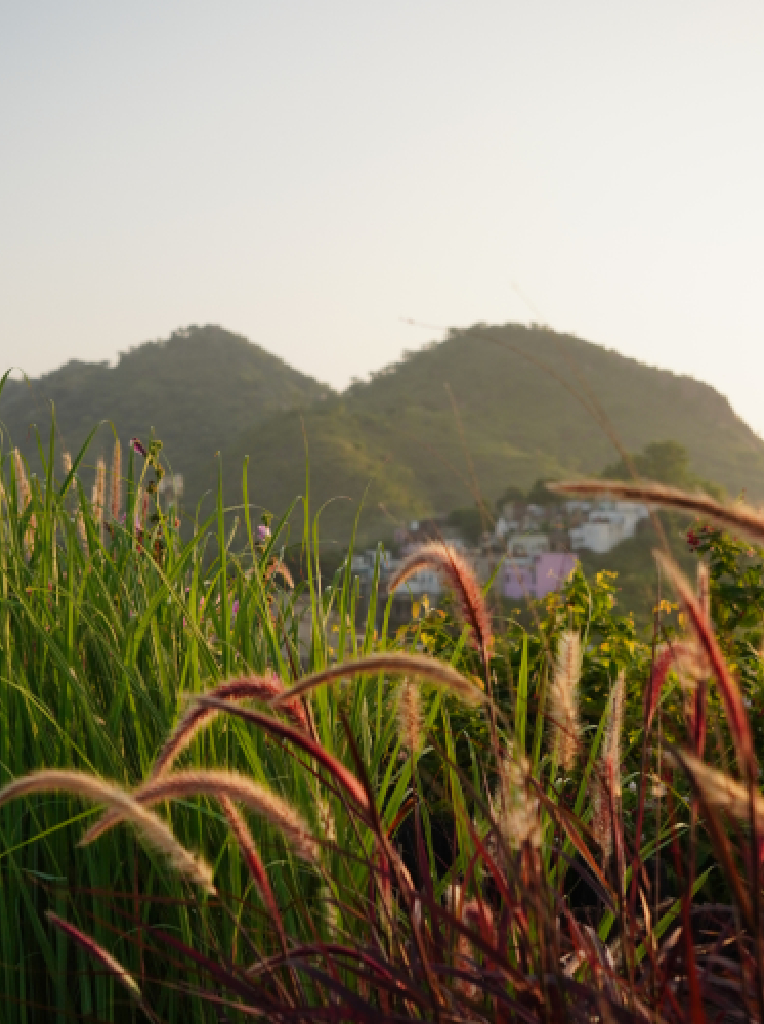
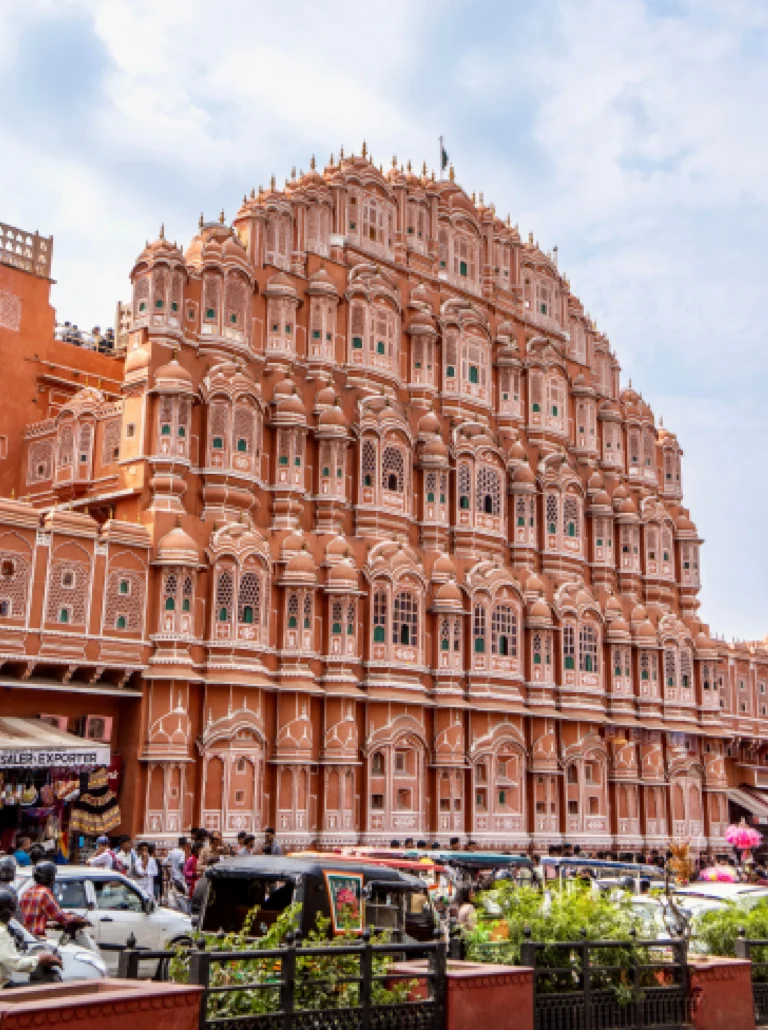
RAAS Devigarh, now a hotel, is a historical 18th-century palace fortress that helps them be a part of this story. Let us paint you the journey: a forty-five-minute drive from Udaipur airport, a diversion and the city fades away. You are welcomed by the scenic Delwara village and the fort is still out of sight. At the cast-iron gate is a man in a red turban dressed in white overalls guiding the car. You drive through a beaten road that bears the imprints of the village cattle, carts, and its people. A two-minute drive from the gate, and you see history in mint condition. Marble archways, a facade aged with dignity, and Aravalis in the back – the 18th-century palace hotel welcomes you in. The reveal feels earned. Past the garden, temple area, and local flora spill, you find your way in on foot through the grounds up a narrow stairway. A check-in lobby that feels less performative and more like a room, welcomes you. This walkway is deliberate. The layout was left intentionally untouched. RAAS Devigarh does what a fort has always done: make you move through it before it reveals itself to you.
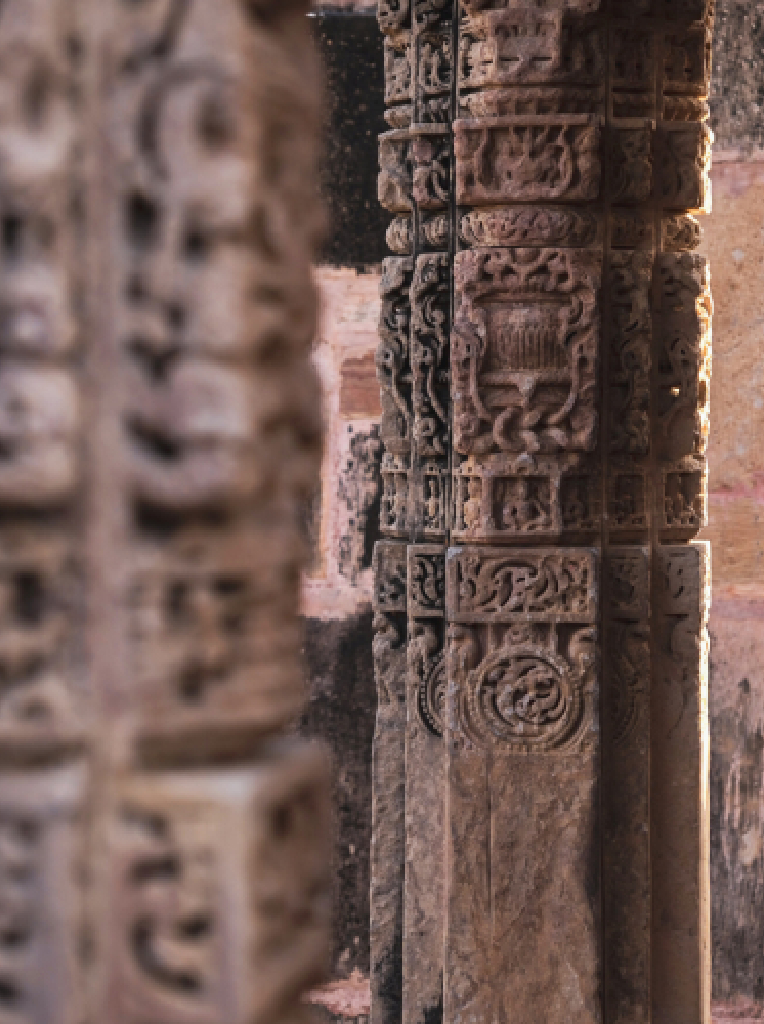
The hotel has worked relentlessly to preserve its history as evidenced by its facades, marble carvings, Mawari horse murals, secret passageways, and flowering night jasmine. It is a space where the past, present, and future coexist. The rooms are the strongest example. 39 distinct suites, each shaped by the actual proportions and personality of the space it occupies. Marble inlay, carved stone, arched windows that frame the Aravalis like paintings keep changing. The design here is not inspired; it is imagined.
The food carries the same essence because the meals draw from the region. Be it the flavours from the arid deserts, the modern concoctions of the larger Indian foodscape, or the classic global preparations, food here is made from ingredients sourced locally and is served in spaces where the setting does as much as the kitchen. An array of dining options, from the royal entertainment quarter to the Hawa Maha – a space that earns its name from the architecture and the atmosphere, each setting carries its own weight. To eat in any of the spaces here is a journey not just through the flavours, but also through their walls, light, and stone.
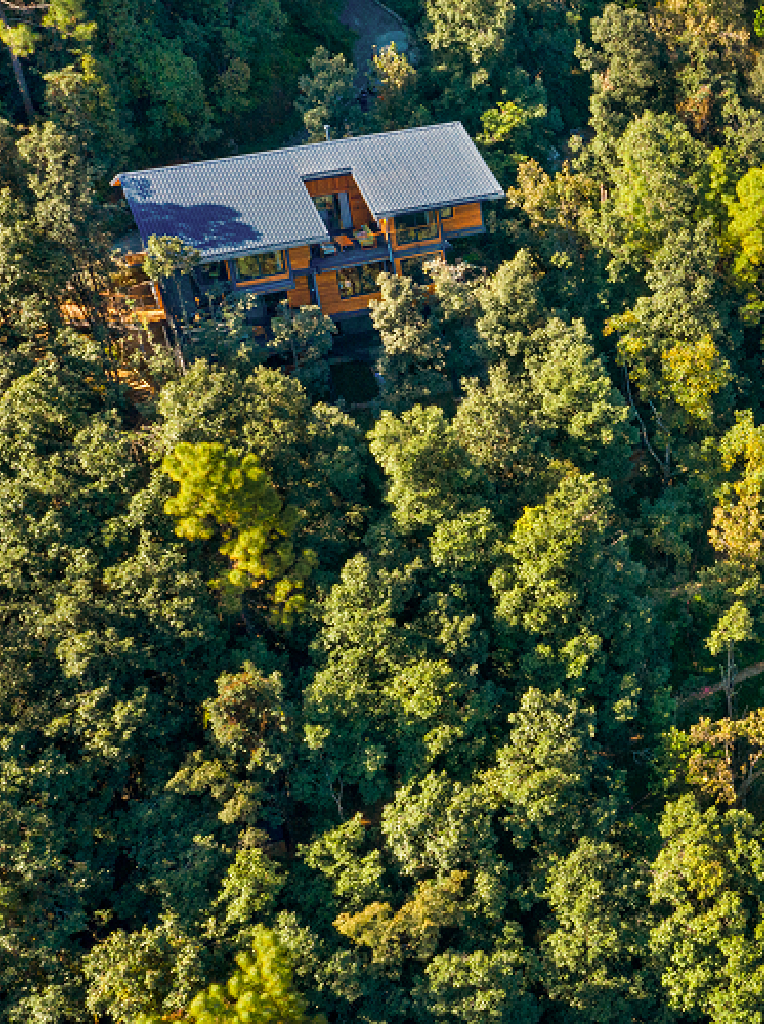
The staff here is attentive in a way that feels non-performative; they anticipate needs before you voice them, and every interaction feels real rather than scripted. But the deeper character of the place is not human in origin. It belongs to the Aravalis. A range older than the Himalayas. This landmass moves to its own rhythm and, with it, draws you in. The silence isn’t empty or discomforting, but laden with the energy of the dense forests – winds against the trees, the bird calls echoing from ridge to ridge, and the faint sound of temple bells. It is geological because it comes from the land itself and beautifully interacts with the aged stone, which cannot be manufactured but only inherited.
Anyone coming here can expect a delicious meal in a relaxed setting, good service, and clean rooms with amenities. But whoever leaves, leaves with a memory of how the marble’s coolness feels underfoot, how the flavours define the region, how a conversation with a staff member who knew what you needed before you did, how the night jasmine smelled before you could even see it. These cannot be itemised as amenities; these are only sentient things that continue to be what they have always been.
This is where the idea of luxury has arrived, not in abundance, but in meaning. Not in a place that reverse-engineered the idea of luxury, but laid the groundwork for it and gave you something that it holds.